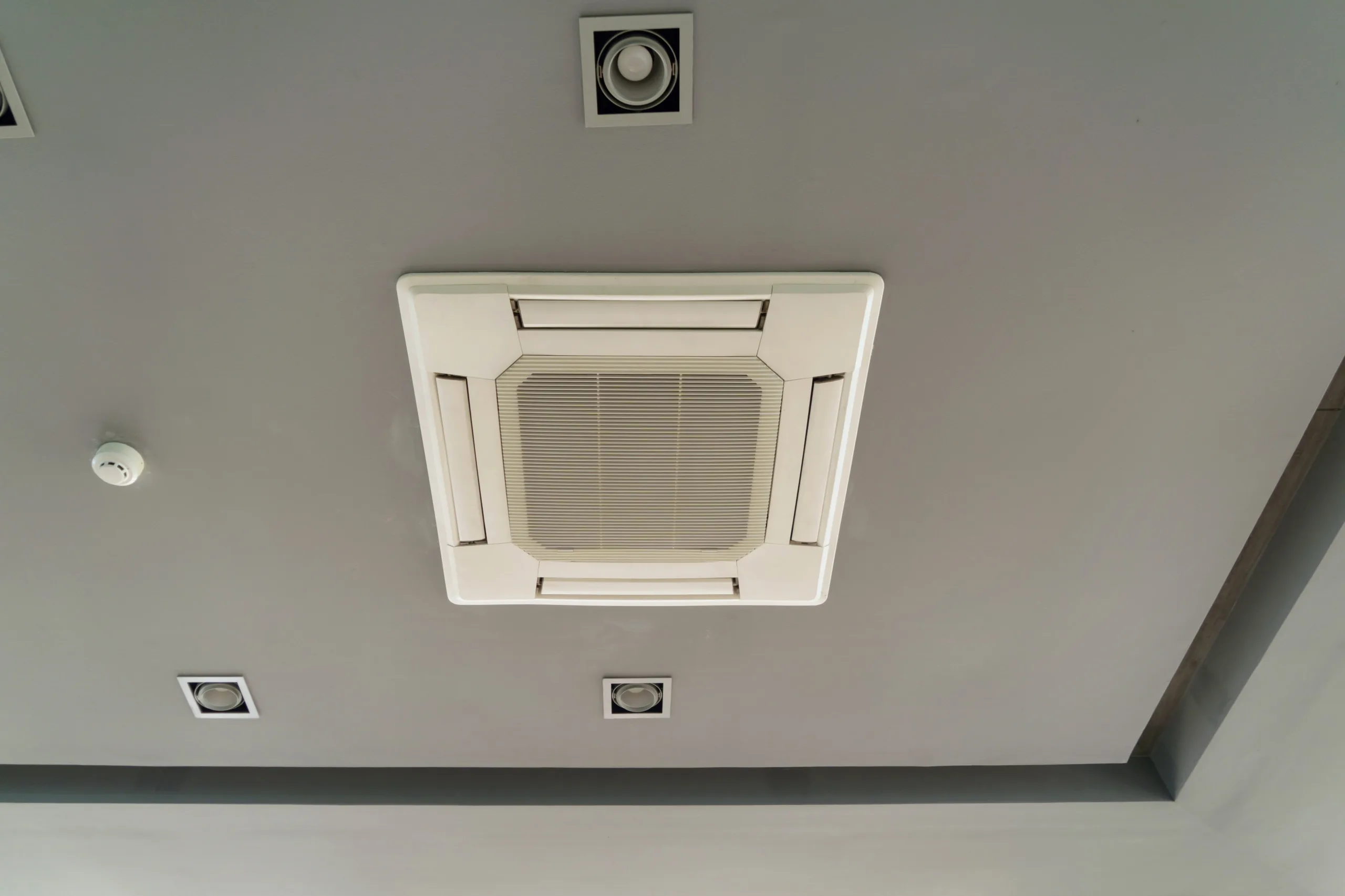
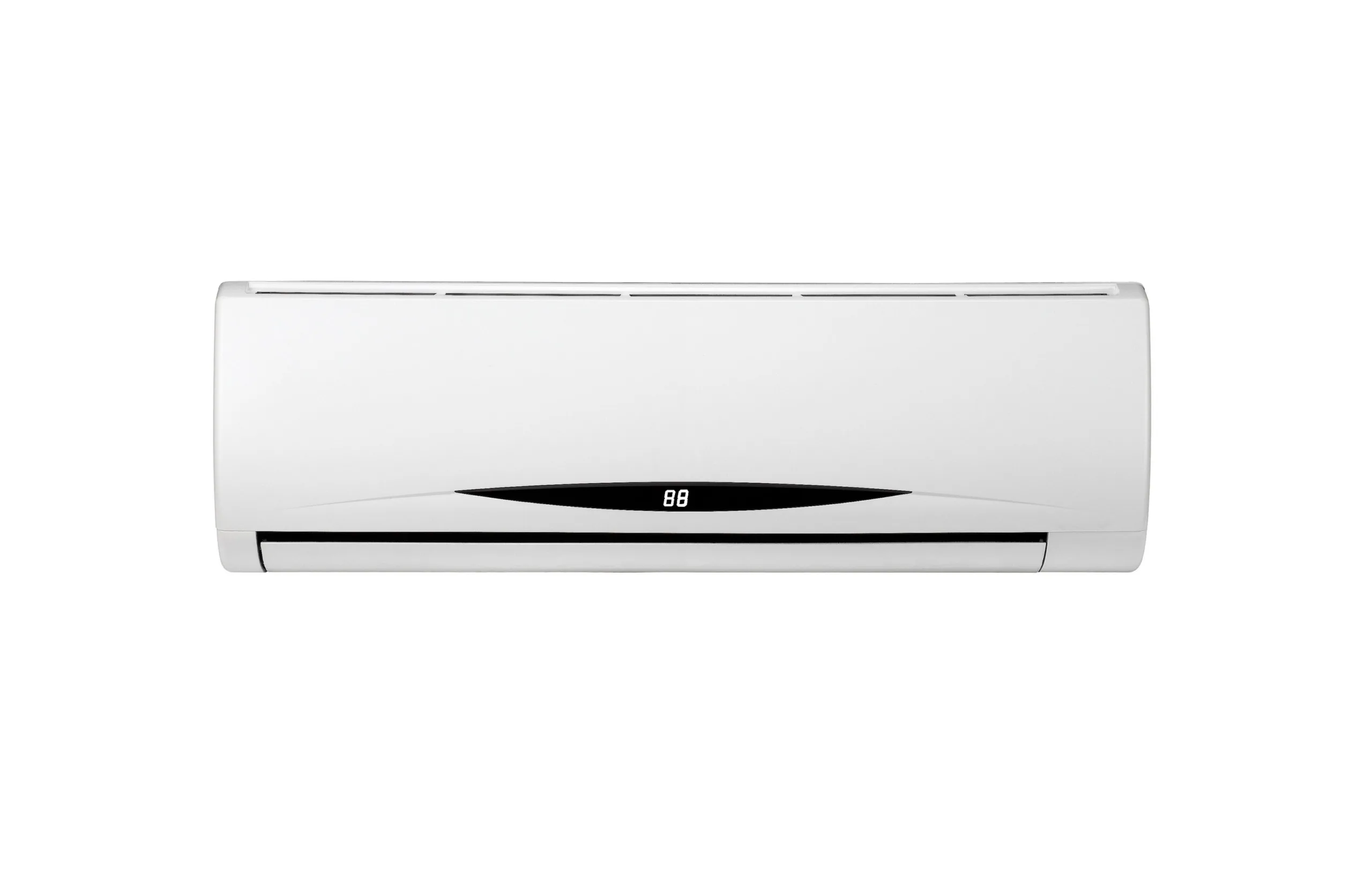
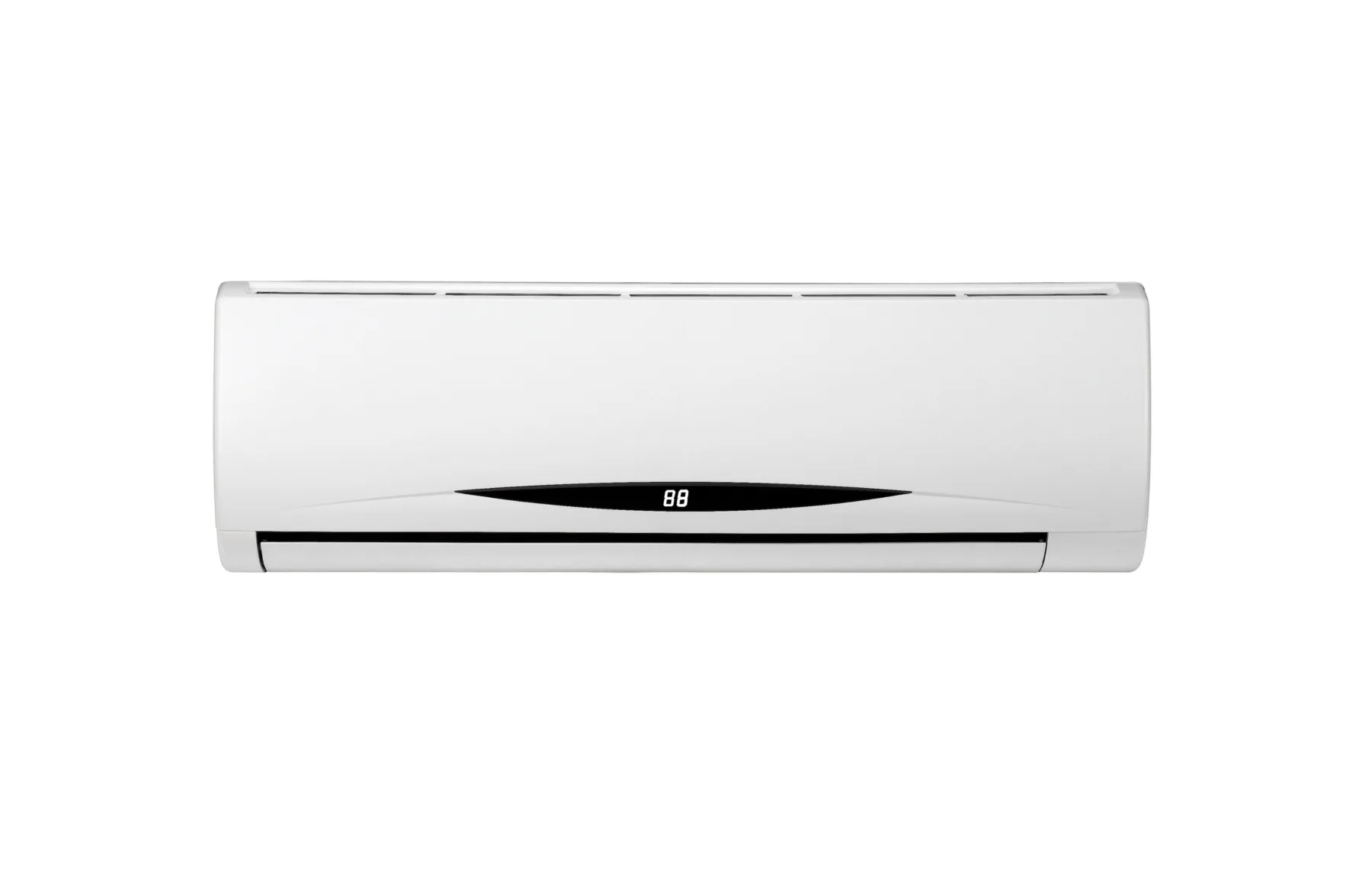
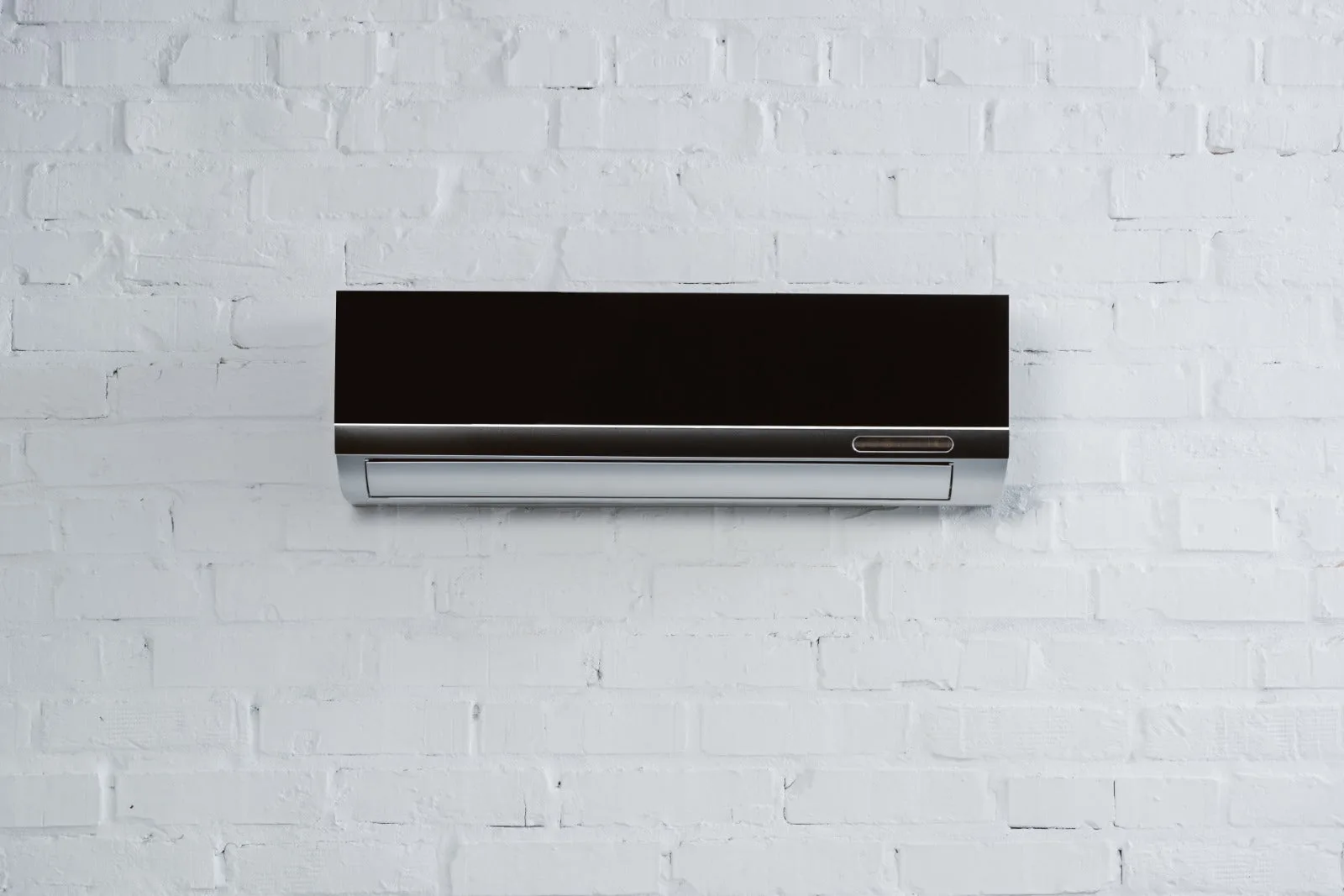
2025’s Buying Guide for Ceiling Type Air Conditioners
Buying an air conditioner can be tricky, but we’ve got your back – check out our detailed 2025 guide on ceiling type A/Cs so you can make an informed decision!
Shopping for a ceiling type air conditioner can be overwhelming with all the latest models, prices and features available in
Carrying Capacity.
When buying a ceiling type A/C, you must take into account the carrying capacity of your model. Not all air conditioner models are able to appropriately cool or warm the size of room they are intended for. Before making a purchase, it’s important to measure the shape and size of your room, as well as any factors that might impact air circulation. After determining the cooling capacity your space requires, you can then focus on features available in a range units within your budget.
Remote Control Technology
With many ceiling type air conditioners, you can opt for a remote control feature. Remote control A/Cs allow you to adjust your settings from anywhere in the house and are especially useful when it comes to timing. For example, some remote controlled models come with a timer that can be preset so that the machine starts running at certain times of the day or night. This allows users to regulate their energy consumption as well as ensures maximum convenience and temperature control.
Air Filtration Features
Air filters on ceiling type air conditioners can play an important role in removing airborne allergens and pollutants from the indoor environment. Look for a model that offers a high MERV rating, which indicates the ability of the filter to capture small particles. If you have allergies or asthma, look for a model with HEPA filtration or a unit with additional air cleaning features such as UV lighting or ionization technology.
Noise Credentials
Noisy air conditioners can really disrupt the tranquillity of your home environment, so it’s important to consider a unit’s noise credentials when buying. Many new ceiling type models come with updated features such as sound insulators and vibration isolation pads which help to reduce noise emissions. Though these are good indicators of what kind of noise level you can expect from the model, remember to also read real customer reviews online and check out online video demonstrations of different models before making your final decision.
Energy Efficiency Ratings
When looking at ceiling type air conditioners, be sure to check their energy efficiency rating. All models sold in the United States should come with an Energy Rating Label from the Environmental Protection Agency, which ranks units on a scale from 1 (lowest) to 10 (highest). Generally, the higher the energy efficiency rating, the less power it will take to cool your house. Investing in a high-efficiency unit can help you save significantly on your monthly power bills!
Conclusion
In conclusion, if you plan to install an air conditioner in your home or office and have limited wall space, a ceiling-type air conditioner can be the perfect solution. Its flexibility in installation, quiet operation and efficient cooling can provide you with the comfort you need during hot and humid summer days. However, before making a final decision, consider the factors mentioned in this buying guide and consult an HVAC professional to determine the best unit for your needs.
Your Search Ends Here for the Best Air Conditioner Supplier in Abu Dhabi
Looking for an air conditioner supplier in Abu Dhabi? This guide will provide you with the top-rated suppliers in the city and how to find them.
Abu Dhabi has many air conditioner suppliers, with a wide range of options to suit all budgets. In this guide, we’ll explore the best suppliers in the city, so you can find the right one for your needs.
Research Different Suppliers.
Before you decide on an air conditioner supplier in Abu Dhabi, it’s important to do your research and compare different options. Look at the prices, services offered, warranty/guarantee policies, and read customer reviews. Doing this will help you make the right choice for your needs and avoid any unpleasant surprises down the line!
Get Recommendations from Friends and Family.
If you’re trying to find an air conditioner supplier in Abu Dhabi, ask around for recommendations from your friends and family. They may have previous experience with different suppliers and be able to provide helpful advice. Alternatively, many online forums and websites can also provide ratings and reviews for suppliers so that you can make an informed decision.
Check for Reviews and Testimonials on Online Platforms.
Many air conditioner suppliers in Abu Dhabi are now available online and have customer reviews readily available. Look out for customer reviews and testimonials on their websites or social media pages as these can provide insights into the quality of their service, product range and reliability. Additionally, it is also important to check if the supplier has received any awards or qualifications that verify their legitimacy in this industry.
Visit Their Website to Learn About Their Policy and Warranty Terms.
Every air conditioning supplier’s website should include its terms and conditions, policies, customer service options, warranty information and any other pertinent documents. Always read the fine print before signing up or purchasing a product in order to ensure that you understand the expectations of both you as a customer and your chosen supplier. This can save time and money in the long run if there are any issues with installation or repair services.
Compare Prices to Ensure You’re Getting the Best Value for Money.
One of the most important factors when choosing an air conditioner supplier in Abu Dhabi is to make sure that you are getting the best value for your money. Take the time to compare prices at different suppliers, as this will help you decide which one offers a good quality product for a competitive rate. Be sure to research any special offers and promotions that may be available, and take advantage of any free trials or discounts on installation or repair services.
Conclusion
In conclusion, finding the best air conditioner supplier in Abu Dhabi requires careful consideration of several factors, such as the supplier’s reputation, the quality of their products, customer service, and pricing. Excellent Conditioners is a reputable supplier in Abu Dhabi that offers high-quality air conditioning products and excellent customer service. By choosing a trusted supplier like Cool Conditioners, you can ensure you get the best value for your money and reliable air conditioning solutions for your home or business.
Things You Need to Know About Air Conditioner Maintenance Services in Dubai
Stay cool and comfortable in Dubai with routine air conditioner maintenance from experienced technicians. Learn more about this vital service here!
In Dubai, the summer heat can be oppressive. To stay cool and comfortable without breaking the bank, you need professional air conditioner maintenance. By taking advantage of regular services from experienced technicians, you can reduce your energy bills and extend the life of your air conditioning system.
The Benefits of AC Maintenance Services
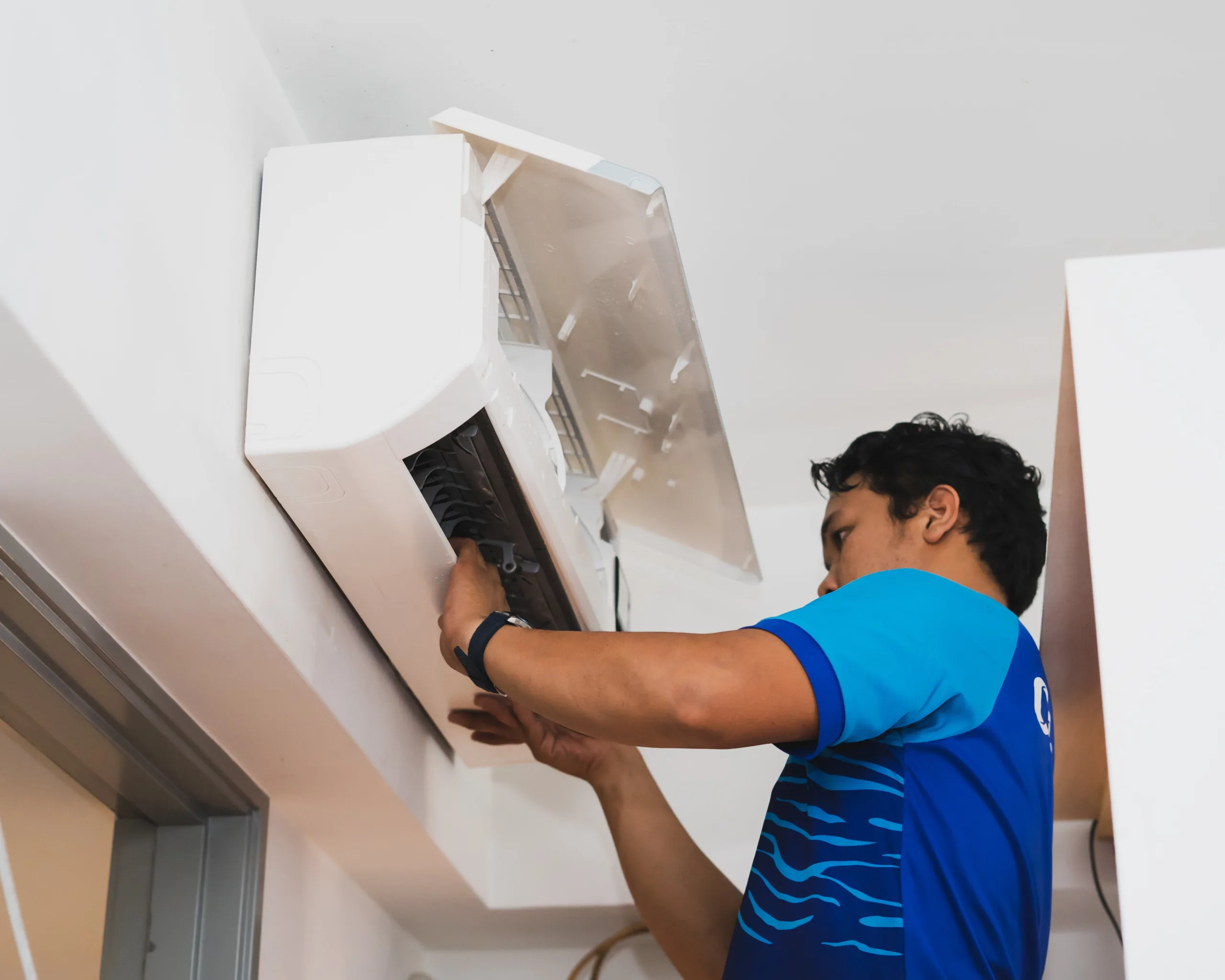
Professional AC maintenance services can help you maximize your system’s efficiency and functionality. Routine maintenance can help identify small problems before they become costly repairs, saving you money and headaches in the long run. Additionally, AC maintenance removes dirt and debris that can clog up a system, making it more energy-efficient and reducing your energy bills. Ultimately, regular tune-ups are vital for ensuring that the air coming from your air conditioner is clean and healthy.
Identifying when Your AC Needs Maintenance
As a rule of thumb, it is best to schedule routine AC maintenance in Dubai every six months or so. However, there are certain signs that indicate you may need to schedule service earlier. If your air conditioner is making strange sounds or not cycling on and off normally, it can be an indication that the unit needs to be serviced. Additionally, AC units often require repair if they are emitting strange smells or if airflow from the system has become weak or uneven.
Common Causes of AC Service Calls
AC systems require regular maintenance in order to stay efficient and reliable. Common causes of AC service calls in Dubai include clogged filters, low levels of refrigerant, dirty coils, faulty wiring and sensors, water leaks, and problems with the fan motor. Regularly checking all these components can help prevent costly breakdowns or repairs.
Tips for Proper Air Conditioner Care
To ensure your AC system works at its best, follow these routine maintenance tips: Change air filters every 3 months; Clean or replace the condenser coils twice a year; Inspect and tighten all screws and bolts to avoid rattling noises; Vacuum around the unit exterior monthly; Inspect fan belts for proper tension and lubrication twice a year. Taking these precautions will help you save time, money and energy in the long run!
Affordable AC Maintenance from Experienced Technicians
Nothing beats hiring experienced technicians to ensure your air conditioner system is functioning its best. Rely on professionals trained in air conditioning repair and maintenance services in Dubai, who can offer affordable options and deliver quality results. Highly qualified technicians use the best practices, offering professional advice to extend the life of your AC system. Regular maintenance helps you prevent breakdowns and guarantee optimal performance for years to come!
Conclusion
In conclusion, regular air conditioner maintenance is crucial for ensuring your AC units’ longevity and optimal performance. With the hot and humid weather conditions in Dubai, keeping your AC unit in top shape is essential to avoid breakdowns and costly repairs. By entrusting your AC maintenance needs to a professional service provider like Cool Conditioners, you can enjoy peace of mind knowing that your AC units are well cared for by trained technicians. So, schedule a maintenance service today and keep your cool all year round before your AC unit breaks down.
When Choosing a Repair Service Provider, Look for their Qualities and Abilities
7 Qualities of a Good Air Conditioner
Need air conditioner repair services? Look no further! Learn the 7 qualities to consider when seeking a reliable provider of AC repair services.
Looking for a reliable air conditioner repair service? Before you decide, make sure you consider the 7 key qualities that an experienced provider should have. We’ll cover what to look out for, so you can find the right fit for all your AC repair needs.
Experienced and Trained Technicians.
An ideal air conditioner repair service provider should employ experienced and highly trained technicians. This ensures that they have the necessary expertise and qualifications to work on a range of AC units, in the case that yours is too old or too new for their expertise. Make sure you inquire about their qualifications and experience when looking for someone to fix your air conditioner.
Affordable Pricing.
An important quality to look for in an air conditioner repair service provider is that they offer affordable pricing. After all, AC repairs can be costly, so you don’t want to choose a service that costs more than necessary. Compare the prices between multiple air conditioner repair services before making a final decision and remember to inquire about discounts or special offers that may save you money.
Reliability in Service Delivery.
Dependability is key when selecting a service provider for your air conditioner repair. Be sure to ask previous customers and read online reviews to determine how reliable the provider really is. It’s also important to ensure that the AC repair service delivers fast and effective solutions, as you don’t want costly repairs resulting from hiring someone who is not up-to-date on the latest technologies and practices. Additionally, make sure there are no hidden or extra fees associated with the services.
Available Emergency Services.
When looking for a good air conditioner repair service, it’s important that you find one with emergency services available. This is important in the event of an unexpected breakdown or malfunction. The last thing anyone wants is to wait until regular business hours to get their air conditioning problem fixed. Look for a provider that provides 24/7 emergency repair services so that you can get your AC up and running as soon as possible in the event of a malfunction.
Ability to Work on All Makes & Models of Air Conditioners.
In order to get the best repair services, look for a provider that can work on all makes and models of air conditioners. Different manufacturers build their units differently, so be sure to find a provider who is knowledgeable and skilled with all models. This will save you time and money since they won’t have to research how your particular unit works before they start repairs.
Conclusion
In conclusion, choosing the right air conditioning service provider is crucial for both the performance of the system and the comfort of the people using it. Good air conditioner repair service providers should possess the qualities of experience, expertise, professionalism, affordability, good customer service, availability, and use of modern technology. Considering these factors, you can ensure that your air conditioning system is in good hands and will perform optimally for years.
Searching for the top rated AC repair services in Dubai? Get professional and reliable air conditioner repair from experienced, certified technicians.
Looking for the best AC repair services in Dubai? With professional and certified technicians providing reliable air conditioner repairs you can trust, you can find the help you need to keep your home cool and comfortable year-round.
Choose Carefully Based on Reputation and Experiences
It is important to research any AC repair services you are considering to ensure that you can trust their work and have confidence that they will provide efficient and effective services. Look up reviews from past customers to get an idea of the quality of their work and customer service, as well as their level of expertise. Make sure to choose an AC repair company that has experience working with the specific make and model of your air conditioner for optimal performance and safety.
Check Company’s Licensing Information and Insurance
Before you hire any AC repair company, make sure to check their licensing information and insurance coverage. A properly licensed and insured company will have the knowledge and resources needed to safely conduct the necessary repairs and abide by industry regulations. Licensing ensures that the company is qualified to work on your machine, so don’t be afraid to ask for proof of their credentials. Additionally, their insurance will cover any accidents or damages that occur during the repairs.
Verify Contractor Insurance & Get Written Agreement
Before any work is done on your air conditioner, it’s important to verify the insurance and ask for a written agreement. Make sure that the agreement covers all costs associated with the repair and indicates the type of warranty provided by the service provider. In some cases, you may need to cover additional costs related to fixing a computer malfunction or replacing defective parts. A written contract will also help you determine exactly what services have been rendered and avoid any future misunderstandings.
Research Company’s Past Services
Before settling on a service provider, you should research the company’s past services. Look for online reviews to gauge the quality of their work and customer service. Check if they offer any type of discounts or guarantees that can save you money in the long run. Additionally, it’s important to enquire about their response time and their availability after hours or during emergencies. You may even consider asking past customers for feedback as this will provide valuable insight into the quality of their work.
Ask About Payment Procedures and Warranty
Before confirming an AC repair hire, it is essential to find out more about their payment procedures and warranty. Most reputable AC companies in Dubai offer a warranty for their repairs and may even provide discounted services under the given circumstances. Inquire about the company’s payment policies, such as whether you can pay directly with a credit card or if you have to write a check. Additionally, ask if you are able to finance any major repairs that they are undertaking on your unit in order to spread out the cost.
Conclusion
In conclusion, finding a reliable AC repair service in Dubai can be challenging, especially if you need help knowing where to start. However, the list provided by Cool Conditioners of top-rated AC repair services can help you make an informed decision. From well-equipped workshops and highly qualified technicians to excellent customer service, the listed companies have proven to offer the best HVAC solutions. Therefore, consider these companies the next time you need AC repair services in Dubai.
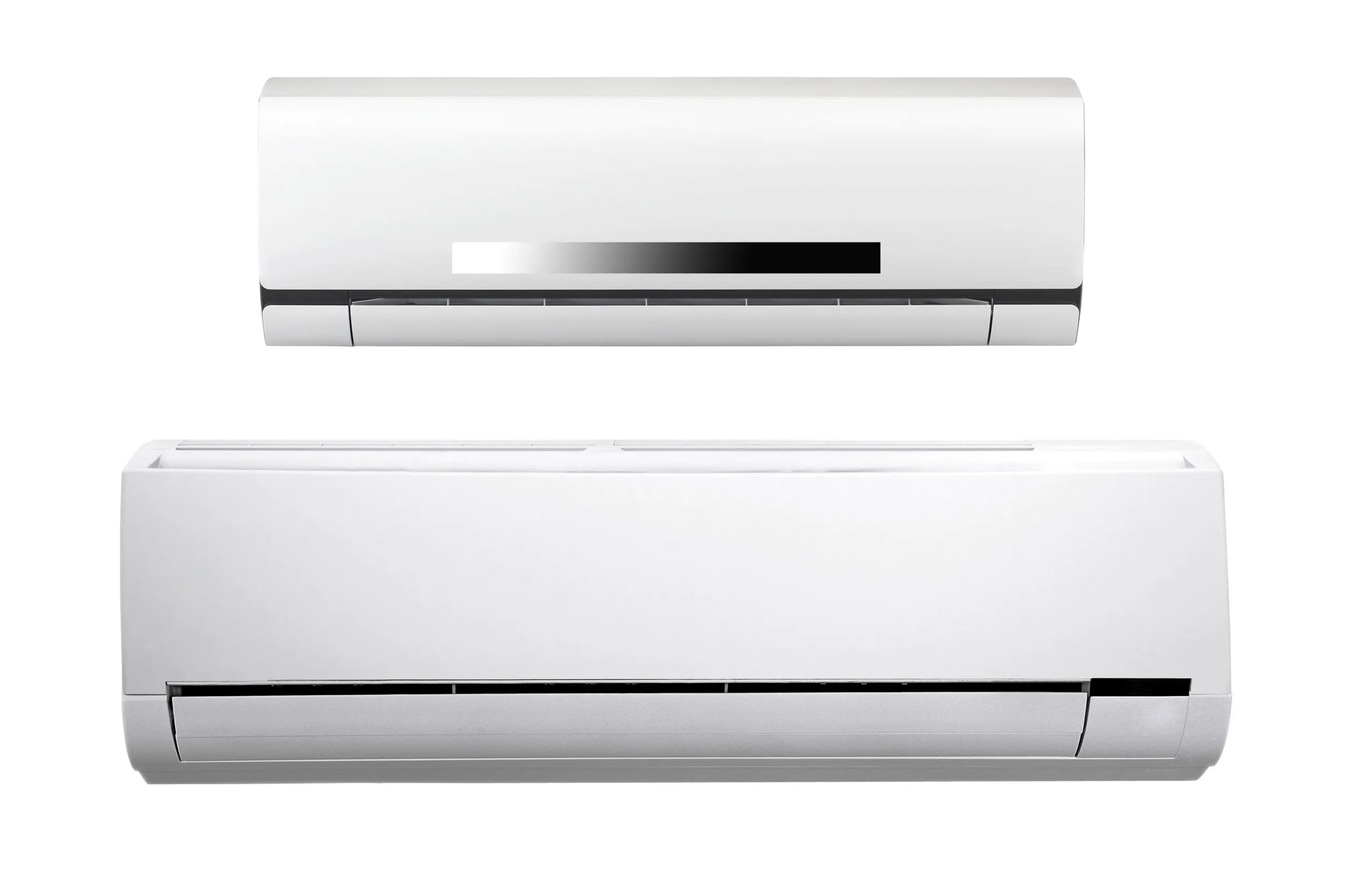
Wall mounted type ACs provide great potential for energy efficiency, but it’s important to choose the right one for your needs. Learn all about choosing the best AC here.
When you’re in the market for a new air conditioner, you’ll likely run across wall-mounted type ACs. These efficient machines offer plenty of cooling power, while also saving you energy and money in the long run. But, before investing in one, there are some key considerations to keep in mind — from choosing the right AC size to installing it correctly.
Determine the adequacy of your existing HVAC system.
The first thing you need to do is assess the size and capacity of your existing HVAC system. If you don’t have an HVAC system, you’ll need to choose an adequately sized wall mounted type AC for your space. Otherwise, if you have an existing system, determine whether adding a wall mounted type AC or expanding your current system would be the better choice. This will ensure that you purchase the right size and number of units.
Assess the type and insulation of your walls.
When buying a wall-mounted type AC, it’s important to assess the type and insulation of your walls. The AC’s air conditioning efficiency will depend on how well-insulated your walls are, so it’s important to consider this factor. If you have an existing HVAC system, make sure that the ductwork is in good condition and properly sealed to ensure maximum efficiency when the wall-mounted unit is installed.
Consider your budget and energy efficiency needs.
Wall-mounted type ACs come in a range of sizes and prices, so you will need to set your budget and also consider your energy efficiency needs. If you want greater energy efficiency, look for higher-efficiency models, such as ones with a SEER rating of 19 or more. Additionally, it’s important to purchase an AC with the correct size for your room since a unit that is too small may cycle off and on frequently, losing valuable efficiency.
Choose a brand of wall mounted AC compatible with your home automation system, if necessary.
If you want your wall mounted AC to be compatible with your home automation system, look for a brand that is compatible with the particular type of device. For example, there are several brands that are compatible with Apple HomeKit and Nest thermostats, including Daikin, Mitsubishi Electric, Fujitsu, and Gree. Additionally, depending on the type of device, you might need to buy an adapter or bridge in order for it to work properly.
Install an Energy Recovery Ventilator (ERV) for additional efficiency or comfort benefits as needed.
Installing an energy recovery ventilator (ERV) with your wall mounted air conditioning system can provide additional efficiency or comfort benefits. An ERV is a small unit that is mounted near the AC and it helps to bring in fresh air while reducing indoor humidity. An ERV can also reduce the amount of energy required to maintain a comfortable temperature as it helps to remove stale and hot air from inside the home. Additionally, an ERV helps regulate relative humidity levels, resulting in increased comfort and better indoor air quality overall.
Conclusion
Choosing the right wall-mounted air conditioner is essential as it can significantly affect your comfort and energy bills. You can select a model that best fits your needs and budget by considering factors such as room size, BTU rating, and energy efficiency. Examining the features and functions of different models, like noise level and air filtration can help you choose an air conditioner tailored to your specific requirements. With the proper selection, a wall-mounted air conditioner can keep you cool and comfortable for years.
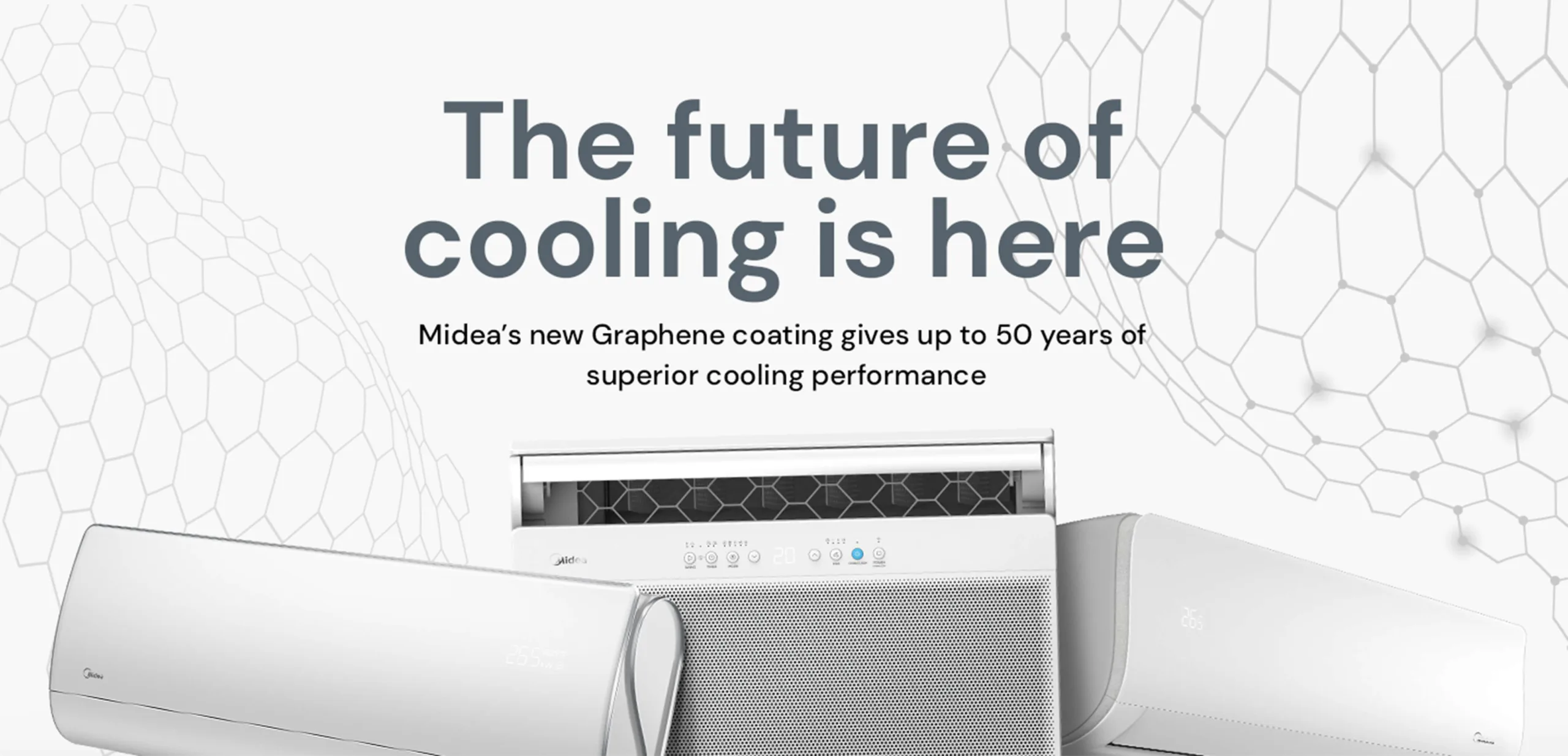
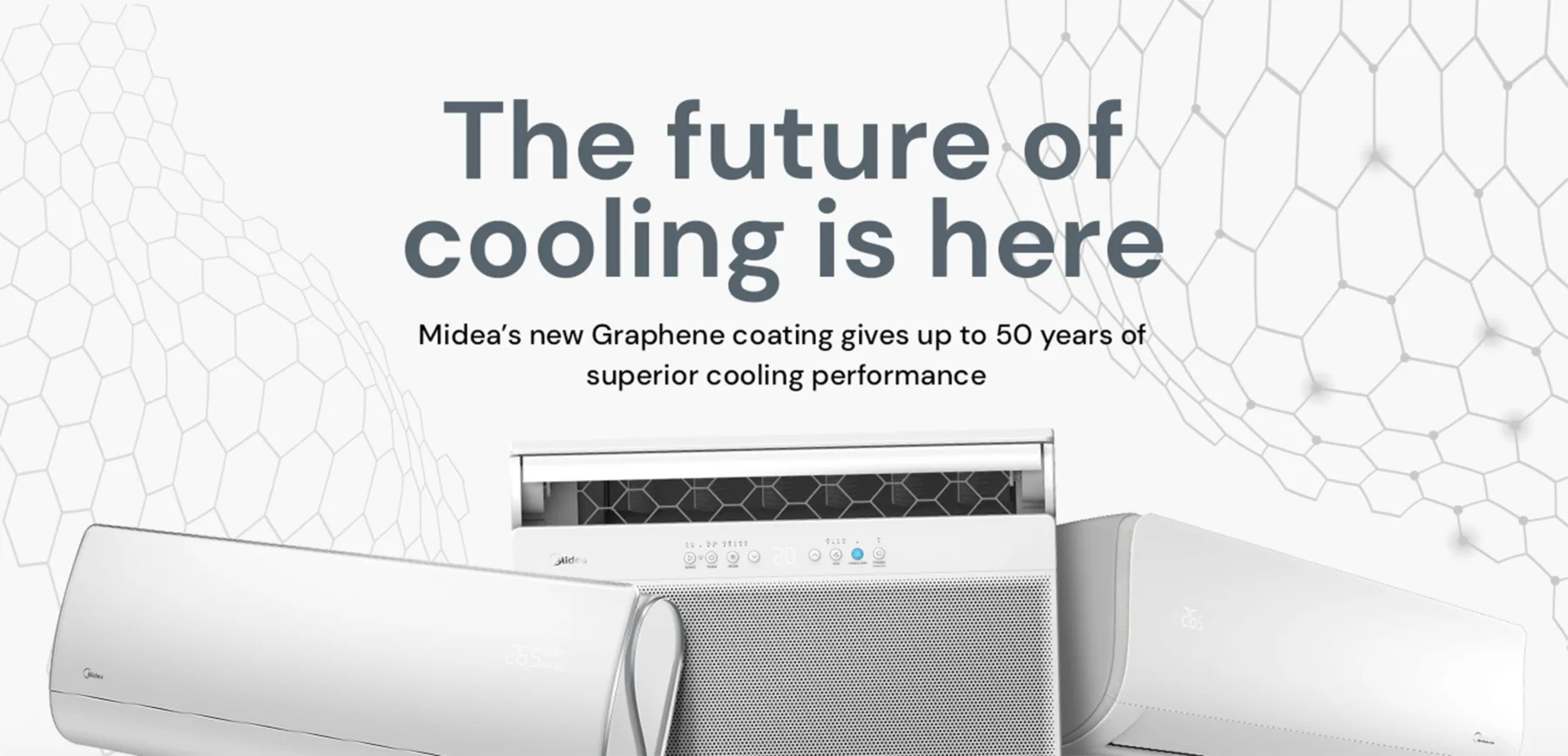
Mideaair conditioning systems offer a reliable and efficient way to keep your home comfortable all year round. Whether you’re looking for a basic system or the latest in energy-saving designs, Midea has the air conditioning system that’s right for you. Read on to learn more about installation, maintenance and other aspects of this popular cooling solution.
Choosing the Right Midea Air Conditioner
When selecting a Midea air conditioner, it’s important to choose one that matches the size of your home and meets your cooling needs. You’ll also want to make sure it’s equipped with energy-efficient features such as variable speed fan motors, insulated refrigerant lines and Energy Star-certified systems. Keep in mind that the size of your AC unit should have adequate output for maximum cooling without expending too much energy.
Installing Your Midea System
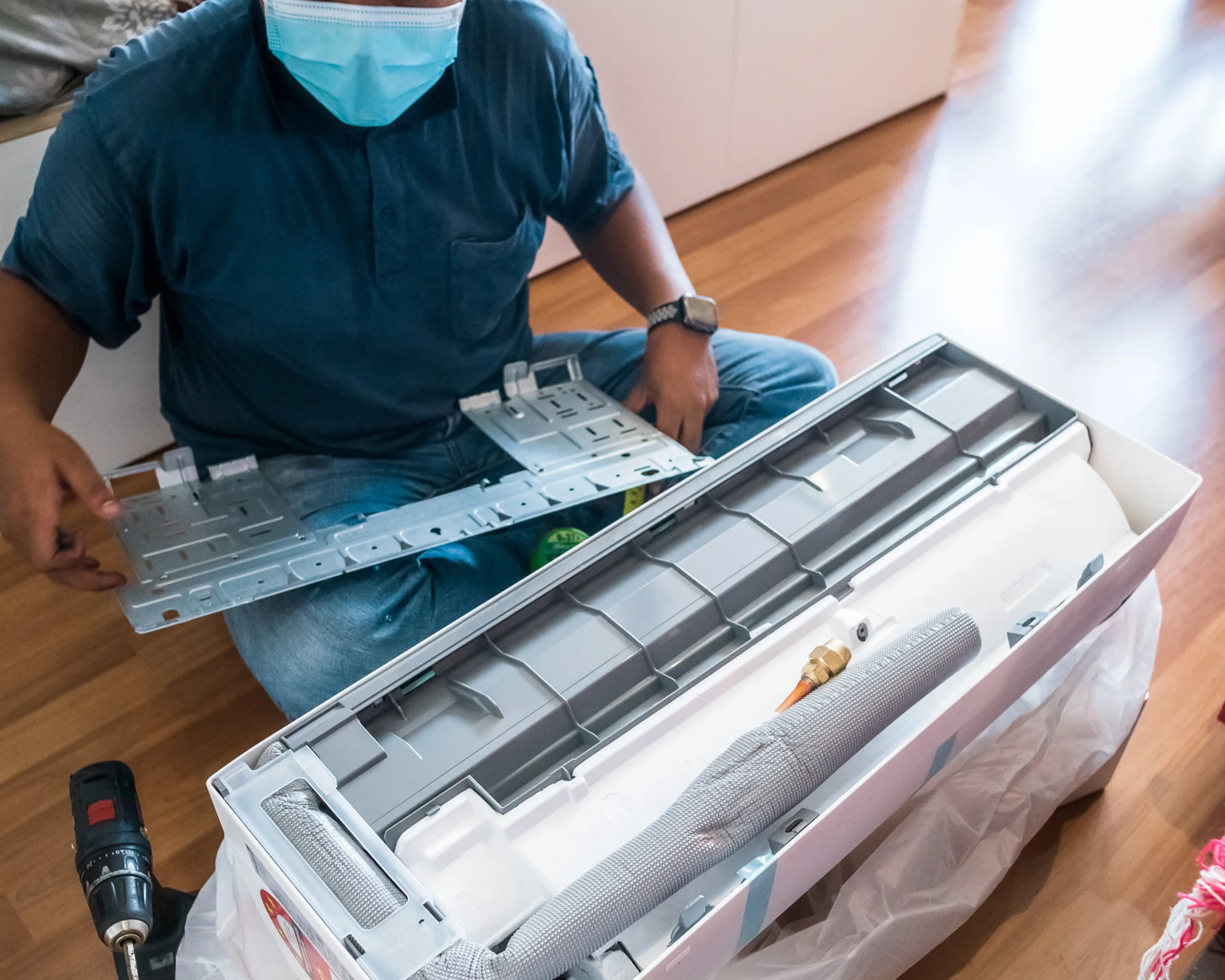
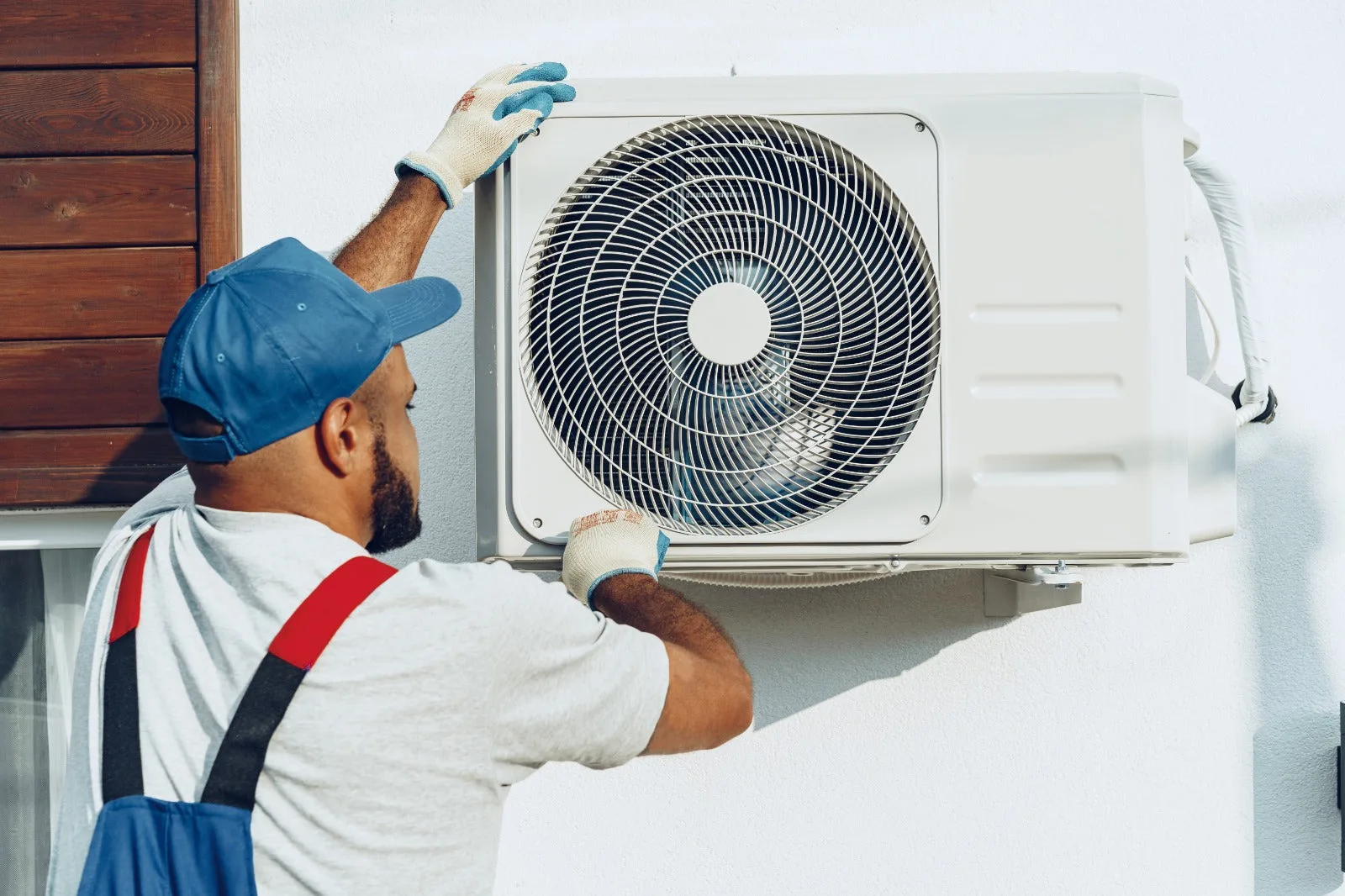
Before beginning the installation, make sure you measure the size of the room or space that needs cooling. This will help to determine which Midea air conditioner is best suited for your home. Read through the user’s manual and make sure you have all of the necessary parts before installing your system. When ready, make any required repairs to your home’s electrical system, turn off power to your HVAC unit and install your AC system following instructions carefully. Make sure to properly seal any gaps in walls and windows where cool air may escape.
Operating Your Midea System Properly
After installation, you can quickly begin using your Midea air condition system. To ensure maximum comfort and energy efficiency, make sure to set the desired temperature and adjust the fan settings according to your own preferences. Layering different pieces of clothing or opening up doors and windows can also help decrease the energy consumption of your system if needed. Regularly Allowing your unit to defrost and perform maintenance checks throughout its lifetime is critical to its longevity.
Troubleshooting Common Issues With Midea Systems
Occasionally, issues may occur with your Midea air conditioning system. It’s important to know how to troubleshoot these problems and what you can do to keep them from happening in the future. Check the thermostat settings and ensure they are appropriate for your needs, then make sure all windows and doors are closed while the system is running. If issues persist, try resetting the unit or contact an HVAC technician for repair.
Caring For and Maintaining Your Midea System
Proper maintenance is key for keeping your Midea air conditioning system running efficiently. Change the filter regularly to keep dust and dirt from accumulating, then clean condenser coils and remove fur buildup from around them. Ensure all connections are secure, before checking the electrical unit components for damage. For more serious problems, always contact a technician for repairs.
We spend roughly 90% of our time indoors, yet the air inside offices or factories can often be more polluted than outdoor air (Improving Your Indoor Environment). In fact, indoor air pollution levels are frequently 2–5 times higher than those outside ( High absenteeism and reduced wellbeing – Evotech Air Quality ). This hidden problem in workplaces has real consequences for employee well-being and a company’s bottom line. Business owners and HR professionals are increasingly discovering that cleaner indoor air means healthier, more productive employees. Below, we explore what research says about poor indoor air quality (IAQ) – from its effects on our brains and sick days to solutions that boost both health and productivity.
How Poor Air Quality Impacts Cognitive Performance and Focus
Poor IAQ (Indoor Air Quality) isn’t just a health hazard – it can directly sap our brain power and focus. Stale, polluted indoor air contributes to what’s often called “brain fog” in the office. Employees may feel drowsy in stuffy meeting rooms or notice their thinking isn’t as sharp by mid-afternoon. This is not imagination: research shows that air quality has a profound effect on cognitive function.
Headaches and fatigue: Stale air or chemical odors can trigger headaches and make people feel drained.
Drowsiness or trouble concentrating: Elevated CO₂ from poor ventilation leads to sleepiness and mental fog, reducing focus.
Eye, nose & throat irritation: Pollutants (like dust, mold, or VOC fumes) irritate mucous membranes, causing itchy eyes, sneezing, or sore throats.
Respiratory issues: Poor air can aggravate asthma and cause coughs or chest tightness. Employees might chalk it up to “something going around,” when it’s actually the office air.
These issues fall under “sick building syndrome,” where people feel unwell at work but better once they leave the building. Not only do such symptoms affect individual well-being, they also undermine productivity – it’s hard to work efficiently when you’re fighting a headache or nodding off at your desk. By addressing IAQ problems (like lack of fresh air or indoor pollutants), companies can relieve these chronic distractions. As OSHA summarizes, good indoor air quality is important not just for workers’ health but also for their comfort and ability to work effectively (Indoor Air Quality – Overview | Occupational Safety and Health Administration).
Air Quality and Employee Health: Absenteeism and Sick Days
Beyond moment-to-moment performance, indoor air quality has a powerful impact on employee health and attendance. Breathing polluted or poorly ventilated air day after day can contribute to illnesses – ranging from mild colds and allergies to serious respiratory conditions. The result? More sick days and higher absenteeism, which directly affect a company’s operations and costs.
Multiple peer-reviewed studies have drawn a clear link between air quality and absence rates. In one notable office study, doubling the ventilation rate (from about 25 to 50 cubic feet per minute of outdoor air per person) was associated with 35% fewer short-term absences among employees (Ventilation Rates and Absences in Offices and Schools | Indoor Air). In other words, better fresh air flow led to substantially less people calling in sick. Other research in schools and offices likewise finds that increasing ventilation or reducing indoor CO₂ levels corresponds to lower illness and absenteeism (Ventilation Rates and Absences in Offices and Schools | Indoor Air) (Ventilation Rates and Absences in Offices and Schools | Indoor Air) – likely because higher ventilation dilutes germs and pollutants that can make people ill.
The broader statistics are eye-opening. A report by the Confederation of British Industry (CBI) found that air pollution causes about 3 million lost working days each year in the UK ( High absenteeism and reduced wellbeing – Evotech Air Quality ). Sick leave and absences related to poor air quality were estimated to cost British businesses roughly £600 million annually ( High absenteeism and reduced wellbeing – Evotech Air Quality ). Globally, the OECD estimates around 1.2 billion workdays are lost each year due to air pollution – a number that could triple by 2060 if we don’t improve air quality (How does air pollution affect businesses? – Clean Air Fund). While outdoor pollution is a big part of that, indoor air plays a role since we inhale outdoor pollutants that seep inside, on top of indoor-generated contaminants. All told, these findings make it clear that stale or dirty air isn’t just a minor annoyance – it’s literally costing companies in lost productivity.
The health stakes are also high. The World Health Organization warns that poor indoor environments (e.g. dampness, mold, chemical fumes) contribute to respiratory diseases like asthma (Indoor Air Quality – Overview | Occupational Safety and Health Administration). Employees in spaces with persistent IAQ problems may experience more frequent illness, from colds and flu to exacerbated asthma attacks. Conversely, improving a building’s air quality can reduce these health incidents. Businesses that have invested in air quality interventions often see drops in sick leave and even report employees feeling healthier and more energized day-to-day.
Solutions: Ventilation, Air Purification, and Humidity Control
The good news is that businesses can take practical steps to improve indoor air quality. Key approaches include bringing in more fresh air, filtering out pollutants, and maintaining proper humidity. Research shows that a combination of these measures creates a healthier indoor environment and can dramatically boost comfort and productivity.
(File:GermGuardian 4-in-1 Air Purifier.jpg – Wikimedia Commons) Modern offices use high-efficiency air filters, dehumidifiers and purifiers to remove dust and pollutants from indoor air. Ensuring an adequate supply of outdoor air (ventilation) is arguably the most important factor for good IAQ. Fresh air dilutes indoor pollutants and prevents CO₂ from building up to drowsy levels. Many building codes and standards (like ASHRAE) recommend ventilation rates that keep indoor CO₂ within about 700 ppm above outdoor levels (Ventilation Rates and Absences in Offices and Schools | Indoor Air). In practice, this means having enough vents or windows open (or HVAC intake) per person. Studies confirm that offices with higher ventilation rates have fewer complaints of stuffiness and fewer sick building symptoms, as well as lower absenteeism (Ventilation Rates and Absences in Offices and Schools | Indoor Air). If possible, inspect your HVAC system to ensure it’s bringing in the intended amount of fresh air and not just recirculating indoor air. Simple steps like unblocking air vents, using trickle vents in windows, or running exhaust fans in occupied areas can help increase air exchange.
Air filtration and purification are another pillar of healthy indoor air. Even with good ventilation, outdoor air may bring in pollutants (like pollen or urban smog), and indoor activities generate particles (dust, printer toner, cooking fumes) and volatile organic compounds (VOCs from cleaners or furniture). High-quality air filters (e.g. MERV 13+ or HEPA filters) in the HVAC system can capture a large fraction of these airborne particles. Portable air purifiers can supplement in areas with specific issues or poor circulation. By removing fine particles and allergens from the air, filters and purifiers reduce the irritants that cause headaches, allergic reactions, and illness (Office Air Purifiers: What You Need to Know). In fact, implementing these IAQ improvements (like adding HEPA air purifiers) has been shown to cut employee sick days by around 35% (Office Air Purifiers: What You Need to Know). It’s important to maintain and replace filters on schedule, otherwise clogged filters can become a source of pollution or reduce airflow.
Maintaining optimal humidity is a frequently overlooked aspect of IAQ, but it’s crucial. Both overly dry air and overly humid conditions can create problems. Dry air (common in air-conditioned or heated offices) can irritate eyes and airways and may increase transmission of viruses. Humid air (above ~60% relative humidity) fosters mold and dust mite growth, which can trigger allergies and asthma. Research suggests the sweet spot is around 40–60% relative humidity for indoor environments ( Indirect health effects of relative humidity in indoor environments – PMC ). At this mid-range humidity, the majority of health effects are minimized – respiratory mucous membranes stay moist (improving our resistance to infections), and virus particles like influenza have reduced survival in the air ( Indirect health effects of relative humidity in indoor environments – PMC ) ( Indirect health effects of relative humidity in indoor environments – PMC ). To achieve this balance, offices in dry climates or winters might use humidifiers (with proper cleaning to avoid mold), and in humid climates, dehumidifiers or good HVAC drying coils. Monitoring humidity with a simple hygrometer can guide you to adjust as needed – keep levels above 30% and below 60%. By controlling humidity, you not only make the environment more comfortable, but also prevent mold-related air quality issues and reduce airborne infectious particles.
In addition to these measures, businesses should minimize indoor pollution sources where possible. Choose low-VOC furnishings and cleaning products, promptly fix water leaks (to prevent mold), and ensure proper ventilation during activities like painting or printing that release chemicals. Even adding some greenery (plants) can help slightly by absorbing pollutants and releasing oxygen – though plants alone won’t solve an IAQ problem, they contribute to a fresher feel. The overarching goal is to dilute and remove contaminants before they harm occupants.
One real-world example comes from a Harvard-affiliated study on “green” versus conventional office conditions. It showed that workers in a green-certified building had nearly 30% fewer sick building symptoms and scored higher on cognitive tests than when the same people worked in a non-certified building (Upstate, Harvard, Syracuse study shows how better indoor environments enhance cognitive function | Upstate News | SUNY Upstate). Another case study by a major technology firm found that upgrading their HVAC filters and bringing more outside air into their call center led to a measurable uptick in employees’ call resolution rates and a drop in sick leave. Even small businesses have success stories: for instance, a mid-size accounting firm in a busy city installed four portable air cleaners and noticed staff complaints about “stuffy air” virtually disappeared, and their HR records showed sick days declined over the next year. These cases illustrate that the science isn’t just abstract – when organizations act on it, they see real benefits like healthier employees, better morale, and improved work output.
The Economic Benefits of Better Air Quality
Improving indoor air quality is not just a wellness initiative – it’s a smart business investment. Companies often discover that the gains in productivity and reduced health costs far outweigh the expenses of air quality upgrades. Consider ventilation: a modeling study by researchers at Lawrence Berkeley National Lab estimated that increasing the minimum outdoor air ventilation rates in U.S. offices could yield up to $20–$40 billion in economic benefits annually due to higher work performance and fewer sick days (ABSTRACT). The same analysis found that these productivity and health benefits far exceeded the energy costs required to provide the additional ventilation (ABSTRACT). In one scenario, the annual benefit was on the order of $37 billion, while the added energy cost for heating/cooling more outside air was only about $0.04 billion – a return on investment of nearly 1000:1 (ABSTRACT). In short, spending a bit more on better HVAC or filtration can pay back in a big way through a more productive workforce.
From an individual business perspective, the numbers are just as compelling. Harvard’s Dr. Joseph Allen (a leading expert on healthy buildings) calculated that the productivity boost of good indoor air is worth roughly $6,500 per employee per year (Office Air Purifiers: What You Need to Know). This figure comes from research showing about a ~10% increase in cognitive productivity in optimized environments (Office Air Purifiers: What You Need to Know) – when translated into monetary terms (e.g. output per employee or reduced errors), it’s a sizable gain. For a company with 100 employees, that’s an estimated $650,000 of value annually simply from having cleaner air. Moreover, fewer sick days means lower healthcare expenditures and less disruption. HR professionals know that healthier employees are happier and more likely to stay with the company, reducing turnover costs. There’s also an increasing awareness of environmental quality in the job market – offering a healthy, pleasant workspace can be a selling point to attract top talent, whereas a stuffy, smelly office can drive good people away.
There are indirect economic benefits too. Improved IAQ can enhance employee morale and cognitive engagement, potentially leading to more innovation and better customer service. Conversely, when air quality is neglected, businesses may incur hidden costs like frequent cleaning of dust, equipment downtime (due to dust or corrosion from indoor pollutants), or even legal liabilities if employees develop serious health issues linked to the workplace environment. In industrial settings, proper ventilation can improve safety (by clearing out hazardous fumes) and thus prevent costly accidents.
Finally, during times of public health concern (e.g. flu seasons or COVID-19 outbreaks), companies with superior air filtration and ventilation systems can operate more confidently, knowing they are mitigating airborne transmission risks. This resilience translates into economic stability – less chance of a major outbreak shutting down operations. It’s not surprising that many organizations now view air quality improvements as part of risk management and business continuity planning.
Conclusion: Clear the Air for Higher Productivity
Indoor air quality might be invisible, but its effects on employees are very real. Research-backed evidence shows that fresh, clean indoor air enhances cognitive function, reduces fatigue, and keeps workers healthier – all of which boosts productivity and performance. On the other hand, a stuffy or polluted workplace can silently drag down output through increased errors, sluggish thinking, and frequent absences. For business owners and HR leaders, the takeaway is clear: investing in air quality is investing in your people.
The solutions are practical and often surprisingly cost-effective. By improving ventilation, upgrading air filters or adding purifiers, and maintaining balanced humidity, any workplace can vastly improve its indoor environment. Case studies from Harvard and guidelines from organizations like WHO and EPA reinforce that these steps lead to tangible gains – sharper employees, fewer sick days, and a more energetic, focused workforce. And beyond the human benefits, companies will likely see financial returns in productivity that dwarf the costs of air quality improvements.
In short, clean air and clean ac ducts are the ultimate win-win for workplaces. It supports employee health and enhances the company’s performance. Just as we wouldn’t tolerate unsafe drinking water in the office, forward-thinking organizations are recognizing that clean air is a basic component of a healthy and productive workplace. By taking action to monitor and improve indoor air quality, businesses can ensure their employees literally breathe easier – and in turn, enjoy the fresh breeze of better productivity and well-being all around.
Sources: Evidence and studies from Harvard T.H. Chan School of Public Health, OSHA, Lawrence Berkeley National Laboratory, WHO, EPA, and other peer-reviewed research are cited above to support these insights.
Here are a Few Tips to Choose the Right Wall Mounted Type of Air Conditioner
Find the best wall-mounted type air conditioner for your space! This guide covers important factors to consider before making your purchase.
Shopping for a wall-mounted type air conditioner can be an overwhelming process. From size, to cooling power, to energy efficiency and noise level, there are many factors to consider before settling on the right model for your space. In this guide we will cover everything you need to know before investing in a wall-mounted type air conditioner.
Measure the Space.
The very first step in choosing the right type of air conditioner for your space is measurement. You need to carefully measure the room that you’ll be installing the unit, taking into account its dimensions as well as the height between the wall and ceiling. This information will determine what size unit would best suit your needs. Once you’ve taken accurate measurements, refer to AC sizing charts to find out what capacity you should be looking for when selecting a wall mounted air conditioner.
Choose the Model Size and Features.
Once you’ve found the right size air conditioner for your space, it is important to make sure that the model you choose has all of the features and capabilities you need. AC units come with a variety of features like variable fan speeds, filters and special settings which can have an impact on its energy efficiency, noise levels and airflow performance. Be sure to read any documentation or labels coming with the unit before making your selection.
Look for Energy-Saving Features.
When shopping for a wall-mounted air conditioner, the energy-saving features it offers should be taken into consideration. Look for models that have variable fan speeds so you can adjust the speed depending on your needs, as well as filters that keep the unit clean and long-lasting. While a more expensive model may offer more energy-saving features, if budget is an issue, don’t worry – all air conditioners have basic energy saving functions like timers and temperature control.
Understand the Different Types of Wall Mounted Units Available.
There are two types of wall-mounted type air conditioners – split units and window units. Split units divide the indoor and outdoor components of the air conditioner, making them more energy efficient and allowing you to place the indoor unit in different areas of your home. Meanwhile, window models are self-contained systems that fit into pre-installed slots on your window sill or wall. Whichever type you choose, make sure that it is correctly sized for your space!
Research Installation Requirements and Maintenance Costs.
Before deciding on a particular model, make sure that you research the installation requirements and maintenance costs for both split unit and window unit air conditioners. Depending on the type of system you choose, installation may require professional help with wiring or mounting components onto your wall which could incur additional costs. It’s also important to weigh up ongoing maintenance costs such as filter replacement, cooling and heating repairs, energy bills etc.
Conclusion
In conclusion, selecting the perfect wall-mounted air conditioner for your home or office requires careful consideration of the room size, insulation, energy efficiency, noise level, and other essential factors. By following the guidelines in this article, you can make an informed decision and choose the suitable model that will keep you cool and save you money in the long run. Remember to consult a professional if you have any doubts about installation or maintenance.
We use cookies to analyze traffic and improve your experience. See our Privacy Policy.